Samburu National Park Kenya: Home to Rare Special Five Animals and Samburu people
Want to witness something unique? Head to Samburu National Park Kenya, one of the most unique wildlife destinations and is known for its rare wild animals. Simply grab the Kenya online visa for Tourism for hassle-free entry into the nation.
Samburu National Reserve Kenya is located in the northern part of Kenya, the landscape is arid, has dramatic terrain, wildlife species not found anywhere else, and rich Samburu culture and tradition that sets the region apart from other parks located in southern Kenya.
Unlike the vast open plains of the savannahs with scattered acacia trees in Maasai Mara, the Samburu National Reserve has arid landscape, semi-desert terrain, rugged terrain, and the lifeline of the reserve, the Ewaso Ng’iro River. This unique landscape makes it possible for the wildlife of Samburu to flourish, and home to the Samburu people, who are deeply connected to nature and have adapted to its dry conditions.
Samburu Location and Geography
The Samburu National Park Kenya is nestled in the northern part of Kenya in Samburu County. From Nairobi, Samburu National Park Kenya is around 350 km away, sitting on the north of the Equator. It shares its border with Shaba National Reserve and Buffalo Springs National Reserve, rich in biodiversity, and contributes to a large part of the ecosystem of the region.
Compared to other national parks of Kenya, the Samburu National Reserve Kenya is small in size, covering 165 sq km. Despite its small size, it provides one of the top game drives in Kenya, as it is home to the Samburu Special Five animals (only found in this part of Kenya), and the Ewaso Ng’iro River, which flows through the reserve from west to east.
In this dry semi-desert terrain, this river acts as the lifeline, keeping the region fertile, has riverine forests and grasslands, attracting many wild animals throughout the year, making it the best spot to view the animals.
The terrain of the region is rugged, it has semi-desert, rocky hills, open rugged plains, palm grooves, volcanic soil, and sparsely distributed vegetation, making it a fascinating experience for the visitors to witness the raw beauty of Samburu.
Samburu Climate and Weather
As Samburu is located near the Equator, it is known for its hot and semi-arid climate, almost hot throughout the year, and its temperature is generally higher than that of southern Kenya due to its low altitude.
- Daily daytime temperature: Average temperature is around 30-38°C
- Daily Night-time temperature: Average temperature is around 18-24°C
The Samburu experiences two rainy seasons:
- Long rains: Takes place from March to May
- Short rains: Takes place from October to November
NOTE: Light rainfall occurs and it is mostly unpredictable. During the dry periods, visitors can spot the wildlife near the lifeline of the park, the Ewaso Ng’iro River.
Best time to visit Samburu:
Wildlife enthusiasts for best viewing of wild animals up close, choose to visit during the dry season which starts from June to September and December to February. During these months the roads are dry and easily accessible, you can spot the animals easily near the water source.
Do you need a Kenya visa for safari?
Yes foreign nationals need to obtain a visa to enter Kenya for safari. The travelers who are visiting Kenya for safari are required to apply for Kenya eTA (electronic travel authorization) or Kenya e visa which is an online visa.
What are the documents required to apply for a Kenya visa for safari?
The documents required to apply for a Kenya visa for safari include valid passport, recently clicked passport-photo, confirmed hotel booking, sufficient funds, and booked safari packages.
How to Reach Samburu National Reserve
Tourists can easily reach Samburu National Reserve Kenya via road or by air, whichever is convenient for you.
By Road:
If you are traveling by road from Nairobi, you will have to take the route visa Nanyuki and Isiolo to reach Samburu National Reserve. It will take around 6-7 hours to reach the park, depending on the road conditions. The road via Isiolo is paved, be ready to expect rough dusty roads.
By Air:
Those who want to travel in a faster mode of transport and in comfort, they can take charter flights from Wilson Airport in Nairobi to the airstrips near Samburu National Park, which will take approx one-hour to reach. Some of the popular airstrips include Samburu, Buffalo Springs, and Kalama airstrips, offering an easily accessible option to the park.
Why Samburu National Reserve Is Special
The Samburu National Reserve Kenya is one of the must visit wildlife parks because:
- It is home to the Samburu Special Five
- Spectacular landscape with dry semi-desert terrain
- Lifeline of the reserve, the Ewaso Ng’iro River
- Amazing wildlife viewing
- In-depth knowledge about the Samburu people
Samburu National Reserve Kenya is not only a wildlife park, but it is the home of the endangered species, the Samburu Special Five, unique landscape, and Samburu indigenous community and their connection to the nation.
Wildlife of Samburu National Reserve
The rich ecosystem of Samburu National Reserve with arid environments, makes it possible for the wildlife to thrive and flourish. The reserve is famous for the common wild animals and rare wild species not found anywhere else in Kenya. Some of the wildlife found include:
- Large Mammals
- African elephants
- African buffalo
- Lions, includes prides which have adjusted/ adapted to dry arid terrain
- Cheetahs
- Leopards, you can easily them near the riverbanks
- Hippos and Nile crocodiles inhabit the Ewaso Ng’iro River.
The Samburu “Special Five”
One of the reasons why Samburu National Reserve Kenya is a must visit is because it is home to the Samburu Special Five, the five rare species of animals that are only found in this part of Kenya and nowhere else on earth. These Samburu Special Five include:
Grevy’s Zebra
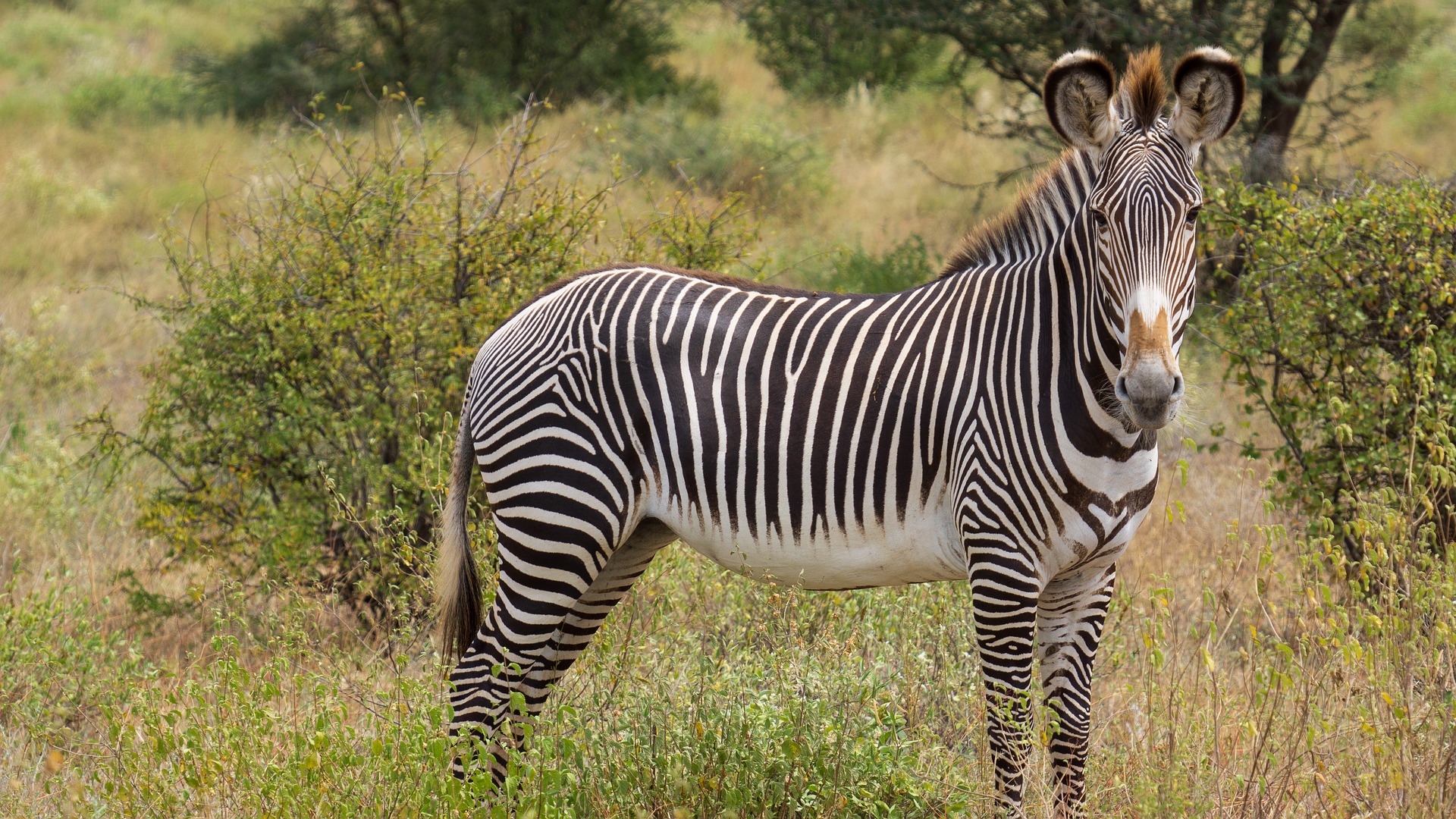
The Grevy's Zebra are an endangered species found only in Kenya, they have adapted themselves to the dry landscape of the region.
The Grevys Zebra are larger than the common zebras found in the plains of other parks of Kenya. You can distinguish the Grevy’s Zebra from its narrow stripes, white belly and large rounded ears.
Reticulated Giraffe
The Reticulated Giraffes are differentiated from the common giraffes from their striking coat pattern consisting of deep polygonal patches, which are separated by the white lines. And Samburu is home to these rare species found in large numbers.
Somali Ostrich
The Somali Ostrich is different from other ostriches and is distinguished by their bluish gray skin shade on its neck and legs. Its features make it possible to survive in the hot climate.
Gerenuk
It is also called Giraffe Gazelle, known for their unique long neck, slender body, and hind legs for standing for long hours and to easily reach the leaves of the tall shrubs.
Beisa Oryx
This antelope is distinguished from their bold facial markings and has long straight horns. One of the unique features of the Besia oryx is that it can survive without drinking water for a longer period of time.
Birdlife in Samburu National Reserve Kenya
Samburu has more than 450 bird species, it is one of the best places for bird watching. The varied riverine and dry bushes support a variety of bird species, both resident and migratory.
Common bird species are:
- Martial eagle
- Vulturine guineafowl
- Secretary bird
- Herons
- Kingfishers
- Somali bee-eater
Samburu Vegetation and Ecosystem
Since the climate in Samburu is dry and arid, the vegetation and ecosystem of the region is mainly dominated by:
- Spectacular landscape with dry semi-desert terrain
- Scattered Acacia
- Thorn trees
- Commiphora shrubs
- Vast open grasslands
- Lifeline of the reserve, the Ewaso Ng’iro River
- Along the side of rivers are Doum palms
The Samburu People Their Lifestyle & Culture
The name of the Reserve is Samburu because it is home to the Samburu indigenous community, who belong to the Nilotic ethnic group, and have close resemblance with the Maasai indigenous community.
The Samburu people have lived in the northern part of Kenya for centuries and have adapted to its environment and harsh climatic conditions.
Samburu People Occupation
The Samburu people are semi-nomadic pastoralists; they rely on cattle rearing for their wealth and survival. The main livestock include cattle, goats, sheep, and camels. As they need pasture lands and water for cattle rearing, they move seasonally from one place to another.
Samburu Culture and Traditions
The Samburu culture is rich and vibrant; they are deeply connected to nature.
- The Samburu people are distinguished from other indigenous communities by their bright colored clothes, like red color which symbolizes courage and unity.
- Both men and women wear their traditional beaded jewelry, which represents their social position in the hierarchy, marital status, and age.
- Like all other tribes of Kenya, the society is based on age sets. The boys when they reach adulthood, they become warriors (known as morans in their local language), they play an important role in protecting the community.
Beliefs: What Samburu people worship
The Samburu indigenous community worship Nkai, who is their supreme God, as it is believed to control the rain, fertility, and life. Also, nature and livestock hold spiritual importance, the people are deeply connected to nature and depend on cattle rearing for their living.
Samburu Community Tourism
To promote tourism, guided tours are provided to the Samburu villages, watch the traditional dances, learn about the customs and traditions, interact with the local people, and know about their occupation. Visiting the community villages is also a way of contributing to the local livelihoods. For an authentic experience, visitors can stay in the lodges located near the community villages.
Conservation and Tourism Importance
Samburu National Reserve Kenya plays a crucial role in wildlife conservation and the surrounding region. It is famed for the Samburu Special Five, which are found only in Kenya and are a rare endangered species.
The conservation organizations work closely with the community people in order to lessen human-wildlife conflict and for protecting the forest and the wild animals, and for promoting sustainable tourism.
READ MORE:
Maasai Mara National Reserve Kenya is world famous for its rich ecosystem, home to amazing landscape and exotic wildlife.The vast plains of the savannahs, grasslands, scattered acacia trees, Big Five and other animals, supporting an extraordinary diversity of wildlife.
If you have any plans to enter Kenya for tourism, business or to transit, simply go for this hassle-free visa application process. But before that Check your eligibility for Kenya eTA and apply for Online Kenya Visa 4 days in advance of your flight.