Mount Kenya National Park: Home to Africa’s Second Highest Peak and Rich Wildlife
Mount Kenya National Park and Reserve is one of the protected areas in central Kenya, home to Mount Kenya, Africa's second highest peak, dramatic landscape and rich wildlife.
The park was established to protect the ecosystem of the mountain, mainly the higher elevations and its surrounding area. While the reserve protects the lower forested slopes of Mount Kenya.
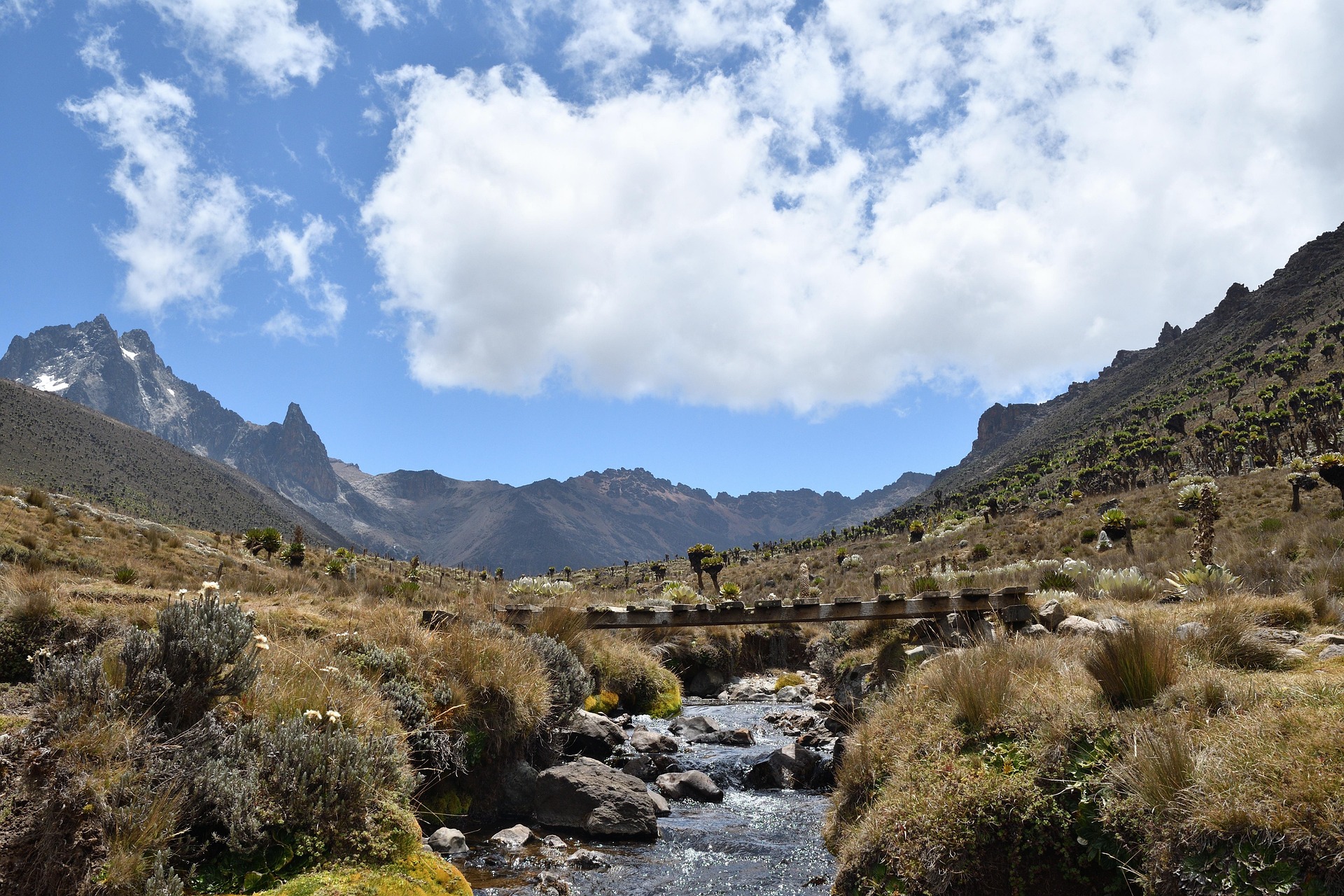
Here the landscape is dramatic, consisting of snow covered peaks, glaciers, dense montane forest, and alpine moorlands. The diverse landscape makes it possible for the wildlife to flourish like elephants, buffalo, monkeys, and many bird species.
Due to its rich biodiversity, the Mount Kenya National Park and Reserve is recognized as a UNESCO World Heritage Site. It plays an important role for the conservation of the environment, water catchment protection, and preserving the rich cultural heritage of the region. Visitors can indulge in activities like hiking, climbing, nature walk, and village heritage tour.
And with the availability of the Kenya eTA, foreign nationals belonging to one of the Kenya eTA eligible countries can apply for the Kenya online visa.
Mount Kenya National Park and Reserve Location
Mount Kenya National Park and Reserve, boosting Africa's second highest peak, is located in central Kenya. From Nairobi it is situated at a distance of 150 km away at the northeastern side, spreading across many counties like Nyeri, Embu, Meru and Kirinyaga.
The park covers the mountain, mainly the higher elevations and its surrounding area, and the reserve covers the lower forested slopes of Mount Kenya.
Mount Kenya National Park and Reserve Weather
The weather of Mount Kenya National Park is cool and wet, and mostly varies with altitude.
Daily Temperatures
- Lower slopes of the Mountain: Average temperature remains between 12°C-25°C
- Higher altitudes of the Mountain: Average temperature is generally below 10°C during daytime, and at night the temperature is freezing near the peaks.
Rainy Season
- Long rainy months: March to May
- Short rainy months: October to December
Dry seasons
- January-February
- June-September (adventure seekers can opt for trekking and climbing)
At higher altitude, especially near the peaks, the weather keeps on changing, accompanied with sudden mist, light rain and strong winds. If you have plans to trek to the top of the peaks, it is advised to wear warm clothes and carry rain gear, a must have all-year round.
Do foreign nationals need a visa for Kenya safari
Yes, foreign nationals are required to obtain the Kenya visa, even if they are visiting the country for Kenyan safari. The Kenya visa for tourism activities (like engaging in wildlife safari, or cultural tour) for short stay is an online visa, referred to as Kenya eTA (electronic travel authorization) or Kenya e visa.
With this Kenya online visa for tourism, visitors can stay in the country up to 90 days. To apply for this visa you simply need to:
- Click on the Apply for Kenya eVisa button, you will land on the application form page.
- Fill the Form
- Upload the documents requested
- Pay the fees and submit the form
- Wait for the Kenya eTA application to be processed (Time taken: 3-7 working days)
- Receive the Kenya eTA via email
How to Reach Mount Kenya National Park and Reserve
Mount Kenya National Park and Reserve is easily accessible by road and air, visitors can travel by any mode depending on their preference.
By Road:
From Nairobi, Mount Kenya National Park and Reserve is around 150-200 km and takes around 3-5 hours to reach.
- Naro Moru Gate: Start from Nairobi → via Nyeri → to Naro Moru (this is the most travelled route)
- Sirimon Gate: Start from Nairobi → to Nanyuki
- Chogoria Gate: Start from Nairobi → via Embu → to Chogoria
NOTE: If you are a thrill seeker, get ready to have a road journey from Nairobi via some towns which have tarmac roads, and entry to the gates are rough, especially during the rainy season.
By Air:
- From Wilson Airport in Nairobi, travelers can fly to Nanyuki Airstrip or Chogoria Airstrip to visit Mount Kenya National Park and Reserve.
- From the airstrip, they will have to take a taxi, visitors will be dropped off near the park gates.
- Private vehicles and tour operators are usually recommended for hassle free access to the park.
Mount Kenya National Park and Reserve Places to Visit
Mount Kenya National Park and Reserve is known for its picturesque scenery and diverse landscape, here there are many places that you must definitely visit.
Batian and Nelion Peaks: This is a twin peak, climbers will love this place.
Point Lenana: This summit is easily accessible, trekking enthusiasts should definitely take this trail
Chogoria Route & Lake Michaelson: Postcard views, accompanied with dramatic hills, gorges and waterfalls.
Naro Moru Route & Teleki Valley: This hiking trail is covered with alpine trees.
Sirimon Route: Known for its gentle roads and great wildlife viewing.
Gorges Valley: Has breathtaking valleys, rare plant species and majestic cliffs.
Lake Ellis: This lake is located at a high altitude and is an excellent spot for photography and camping.
Montane Forests: Wildlife found here include monkeys, elephants, buffaloes, and many species of bird.
Mount Kenya National Park and Reserve Activities to Do
Mount Kenya National Park and Reserve is known for its diverse landscape, offering many activities to indulge in.
Mountain climbing and trekking: Best routes ideal for this activities are Sirimon, Naro Moru, and Chogoria lead to Point Lenana and the main peaks
Hiking and nature walks: Take guided tours through the forests, alpine landscapes and moorlands.
Wildlife viewing: Common wildlife you can spot are elephants, antelopes, buffaloes, monkeys, and other animals.
Bird watching: You can spot varied species of birds
Camping and picnicking: There are many campsites near the park for an immersive stay experience, close to the wild.
Photography: Picture perfect scenery, wildlife, birds, alpine vegetation and so on.
Rock climbing: Spots like Batian and Nelion peaks are best for technical climbers.
Cultural visits: Visit the villages of the indigenous community people living near the park, known about their cultural ties to the mountain.
Mount Kenya National Park Accommodation
Mount Kenya National Park and Reserve welcomes travelers from around the world for a comfortable stay, there are many accommodation options available, from luxury hotels to budget stays and mid-range hotels.
Luxury & Comfortable Stays (near park)
Fairmont Mount Kenya Safari Club: This luxurious resort is located in Nanyuki, built in an idyllic setting, captivating the attention of the guest with mesmerising mountain views at its backdrop, and has beautiful gardens, and offers fine dining and leisure activities.
Serena Mountain Lodge: This elegantly designed forest lodge with all the modern amenities is known for its stunning backdrop, and offers guided nature walks.
Mid-Range & Eco-Friendly Lodges
Anabas Mount Kenya Lodge: This lodge is located near Chogoria Gate, known for its comfortable cabins and pre-trek stays.
Castle Forest Lodge: This is an eco-lodge located near the forest, and is a great place to stay for nature walk and birdwatching.
Bantu Mountain Lodge: This lodge is located near Sirimon Gate with a beautiful garden and offering relaxed stays.
Naro Moru River Lodge Met Station Bandas: This is a riverside cottage in the Naro Moru route, it has an inhouse restaurant and offers climbing activities as well.
Mount Kenya Leisure Lodge: This lodge is located in Naro Moru, perfect place for a comfortable stay and base for trekking.
Mount Kenya Villas & Eco‑camp: It has both guest house and eco-camp options with good reviews.
Mountain 64: This is a homestay in Naro Moru, recommended by most.
Trail & Mountain Huts (basic/high-altitude)
Those visitors who want to indulge in trekking and climbing, there are some good stay options, best base points.
Old Moses Mountain Hut: This is located on Sirimon Route, a first night stop point.
Shiptons Mountain Hut 4200 m: This is located on Sirimon Route as well, high-camp hut near the peaks.
Colobus Cottages: A relaxing stay near the park for nature lovers.
Camping & Bandas
KWS Bandas & Campsites are found inside the park (some popular ones include Met Station, Meru Mount Kenya Bandas, and Lake Ellis), they are known to offer a rustic shelter or camping. You will usually have to book via Kenya Wildlife Service, contact them and book in advance, it is a good option for trekkers and low-budget travelers.
For a hassle free travel and stay experience, trekkers and climbers (to Point Lenana or higher) are suggested to book in advance. The best is to choose Mount Kenya National Park and Reserve Packages, which offers an all inclusive tour.
Mount Kenya National Park Entrance Fees
The current Mount Kenya National Park Entrance Fees are listed below, this list is based on the latest entrance fees set by Kenya Wildlife Service (KWS) (effective October 1, 2025) valid for 24 hours per ticket:
Camping (Per Night charge)
- Kenya Resident: KES 300–350
- East African Citizen: KES 200–250
- Non-Resident (International guests): USD 20–35 (depending on site type)
Vehicle Entry Fees (Per Day charge)
- Minibus / small bus: KES 3,000–4,500 (charge varies by size)
- Minivan (6–12 seats): KES 1,500
- Motorcycle: KES 500
- Private car (less than 6 seats): KES 600
- Helicopter landing: USD 300 per landing inside the park
Park Entry Fees (Per Person, valid for 24 hrs)
- Kenya Resident: For Adult it is KES 1,100; children KES 550
- East African Citizen: For Adult it is KES 800; children KES 400
- African Citizen (Non-EAC): For Adult it is USD 30; children USD 15
- Non-Resident (International Visitors): For Adult it is USD 70; children USD 35
- Exemption: Children under 5 years of age , persons with disabilities, and Kenyan citizens above 70 years of age.
For Climbing Permits Charges include
- To Lenana trek Point: Included in Entry fee
- Technical climbing zones: Batian/Nelion, visitors will have to take Additional permit (for example non-residents will have to pay USD 30 per day.
Mount Kenya National Park and Reserve Itinerary
Here is a sample Mount Kenya National Park and Reserve Package (3 Days / 2 Nights Trekking Package) itinerary for midrange travelers.
Day 1
Arrive in the beautiful Nanyuki or Naro Moru town, guides will accompany you, enter through Sirimon Gate to enjoy your stay in Old Moses Camp. The trail to the camp comprises montane forest and moorland. Check-in, have your dinner and stay the night at the camp.
Day 2
Wake up early in the morning and enjoy a guided trek to Shipton’s Camp, you will be welcomed by the beautiful alpine scenery, rare vegetation and common wildlife of the park. Have your dinner, stay the night at Shipton’s Camp.
Day 3
To enjoy the sunrise views at Point Lenana, wake up early in the morning, enjoy a short hike, then hike down via Sirimon and exit the park.
Most Mount Kenya National Park and Reserve Packages includes:
- Mount Kenya National Park Entrance fees
- Experienced and professional guide
- Accommodation and meals
- Camping equipment provided
- Activities covered: Trekking, sightseeing, wildlife viewing and photography.
READ MORE:
Want to witness something unique? Head to Samburu National Park Kenya, one of the most unique wildlife destinations and is known for its rare wild animals. Simply grab the Kenya online visa for Tourism for hassle-free entry into the nation.
If you have any plans to enter Kenya for tourism, business or to transit, simply go for this hassle-free visa application process. But before that Check your eligibility for Kenya eTA and apply for Online Kenya Visa 4 days in advance of your flight.